The origins
MK 6 Golf R Build
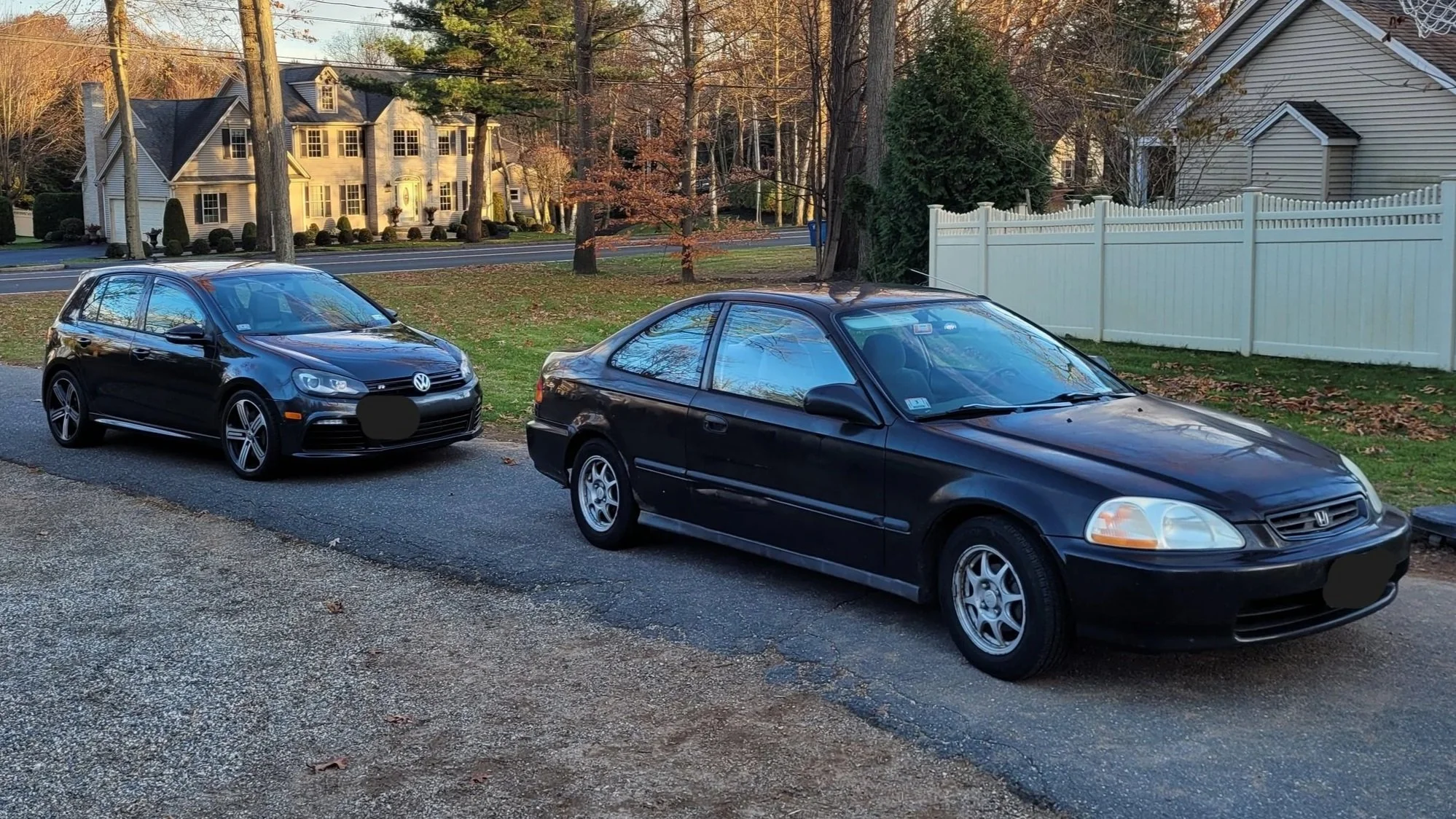
Cars have always been a source of joy for me the way they look, the way they sound, and the way they feel. Upgrading from my ’97 Honda Civic HX to a ’12 Volkswagen Golf R was a milestone, and I planned to turn it into the daily driver I’d always imagined. Balancing budget, time, and practicality, I’ve taken a steady, engineering‑minded approach to maintenance, diagnostics, and modification. Some projects were planned upgrades; others were forced by wear, age, or unexpected failures. All of them taught me something.
I started with a full refresh of all internal fluids, documenting the condition of each as it came out of the vehicle. Engine and transmission oil samples were sent to Blackstone Laboratories for deeper analysis, giving me a clearer picture of the car’s internal health.
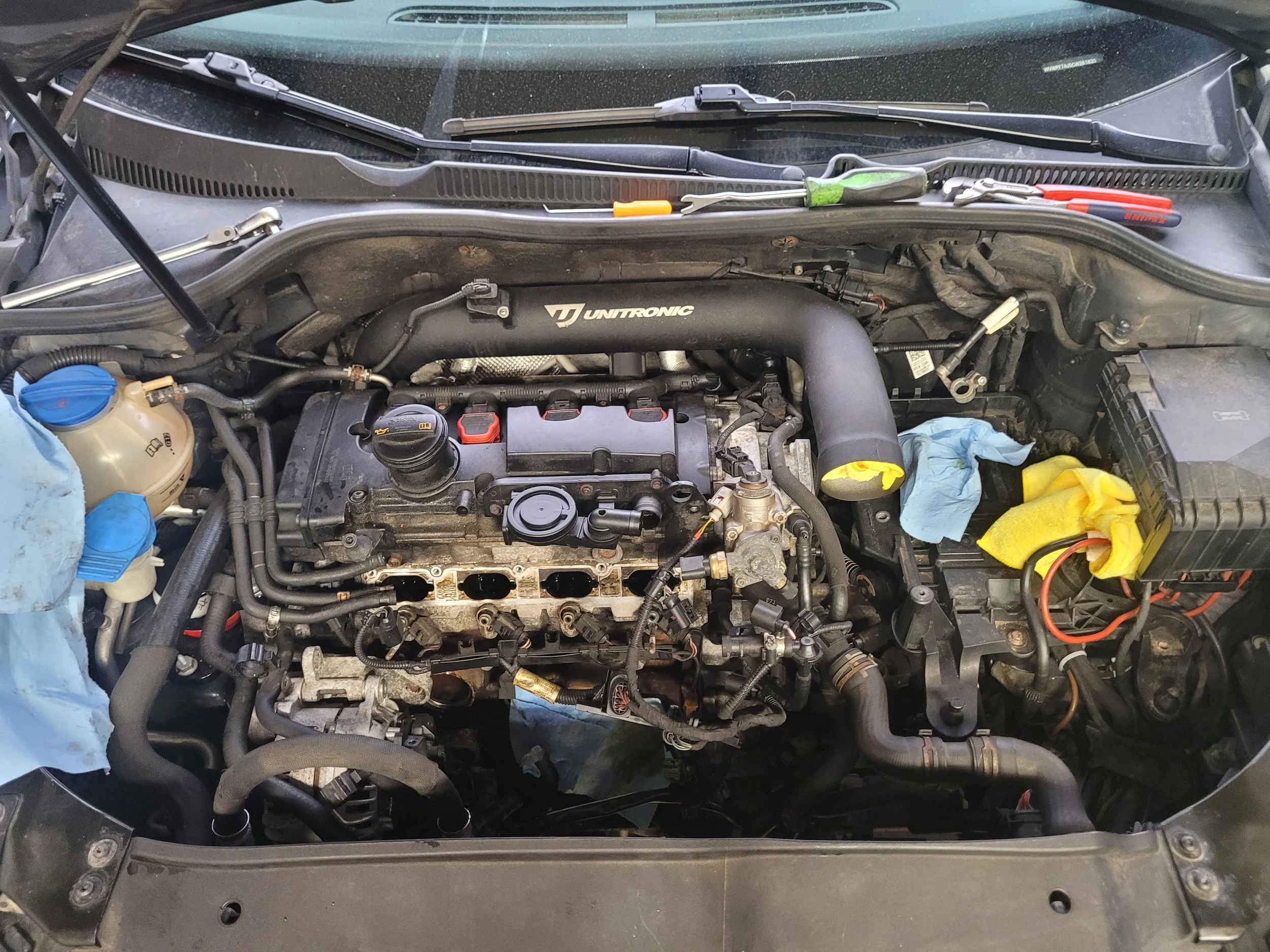
To address buildup common in direct‑injection engines, I did a carbon cleaning of the intake manifold and intake valves. Restoring airflow and improved throttle response.
While I had the intake removed, it provided easy access to other components that were showing signs of wear. I replaced the oil filter housing that had a small leak and a sticky thermostat.


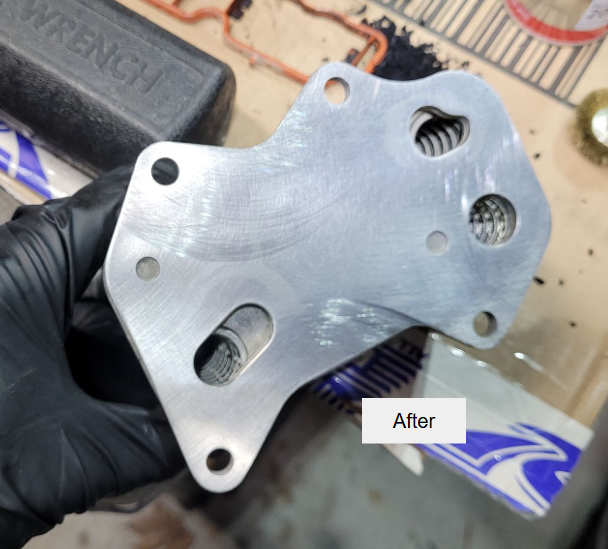
The oil cooler had significant pitting, raising concerns about the seal quality when reinstalled. To ensure a proper seal, I wet-lapped the face until it was smooth and even.

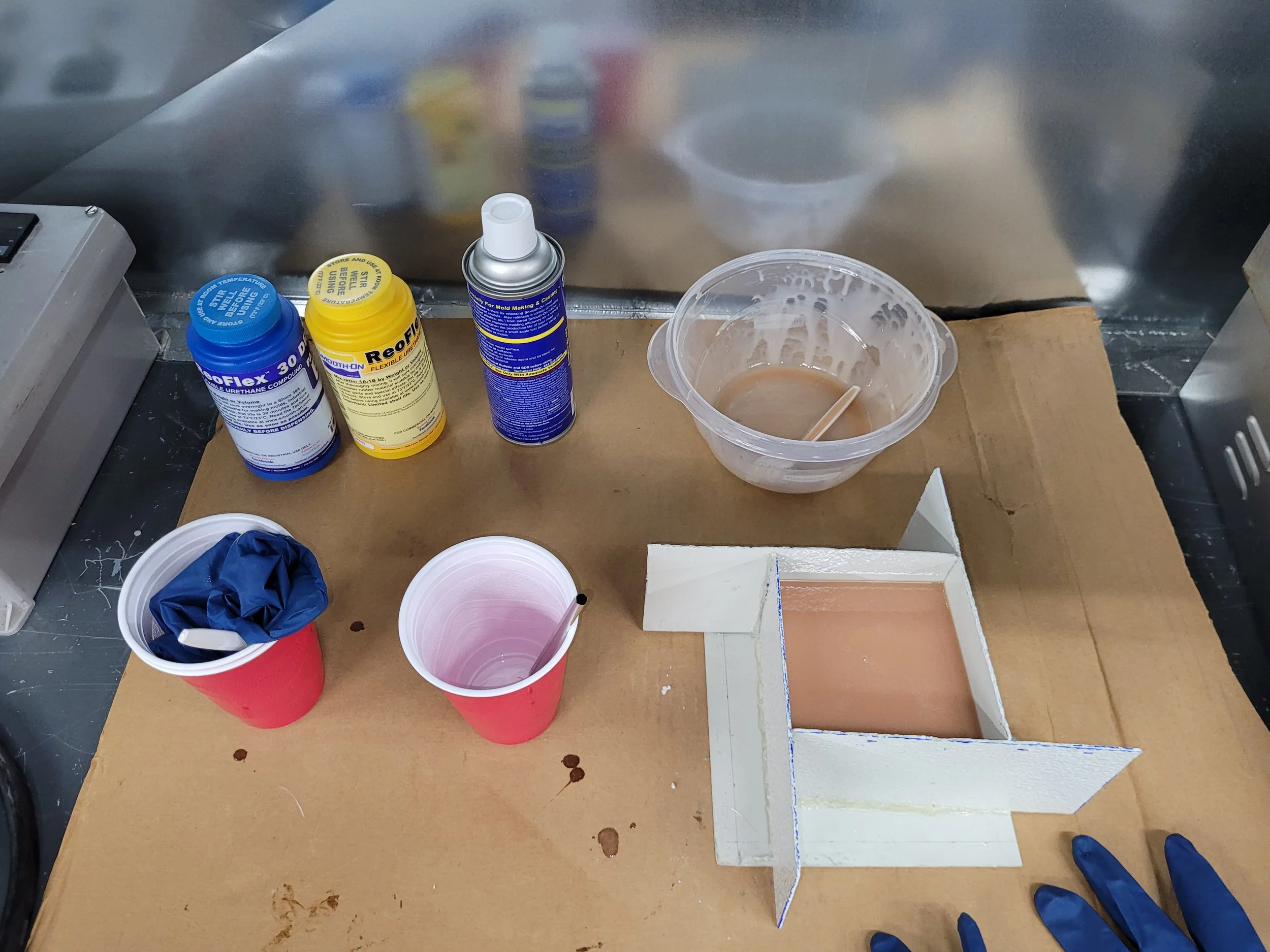
I experimented with making my own polyurethane motor and transmission mounts giving three attempts, a learning experience in material behavior and NVH tradeoffs.
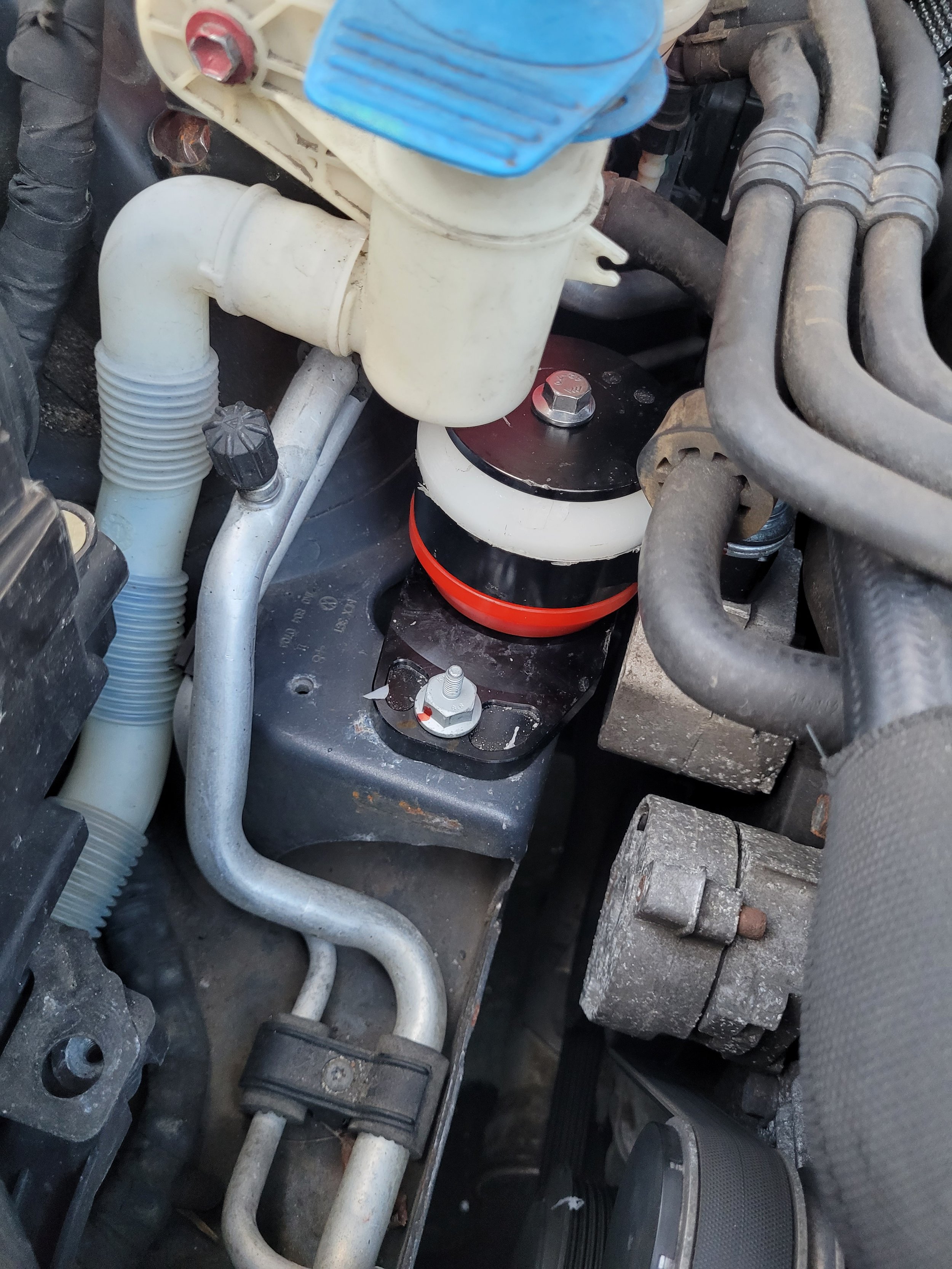
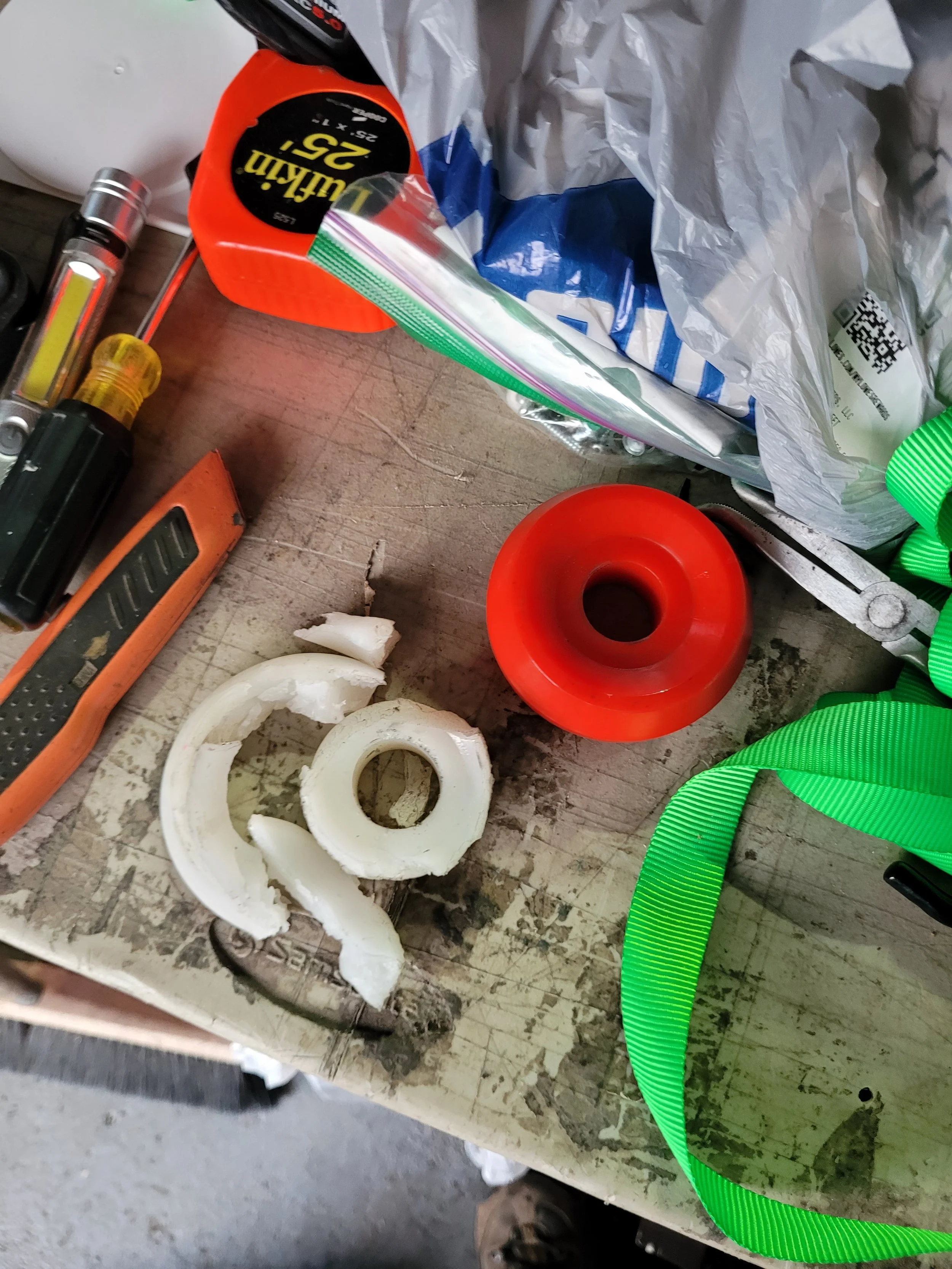
Even after installing new mounts, the car still had noticeable NVH. I learned about a common issue with these engines, the balance‑shaft sprocket can slip out of phase, increasing vibration. Wasa Motor offers a clever solution, a “freewheel” sprocket that houses a bearing and stops the balance shaft from spinning altogether.


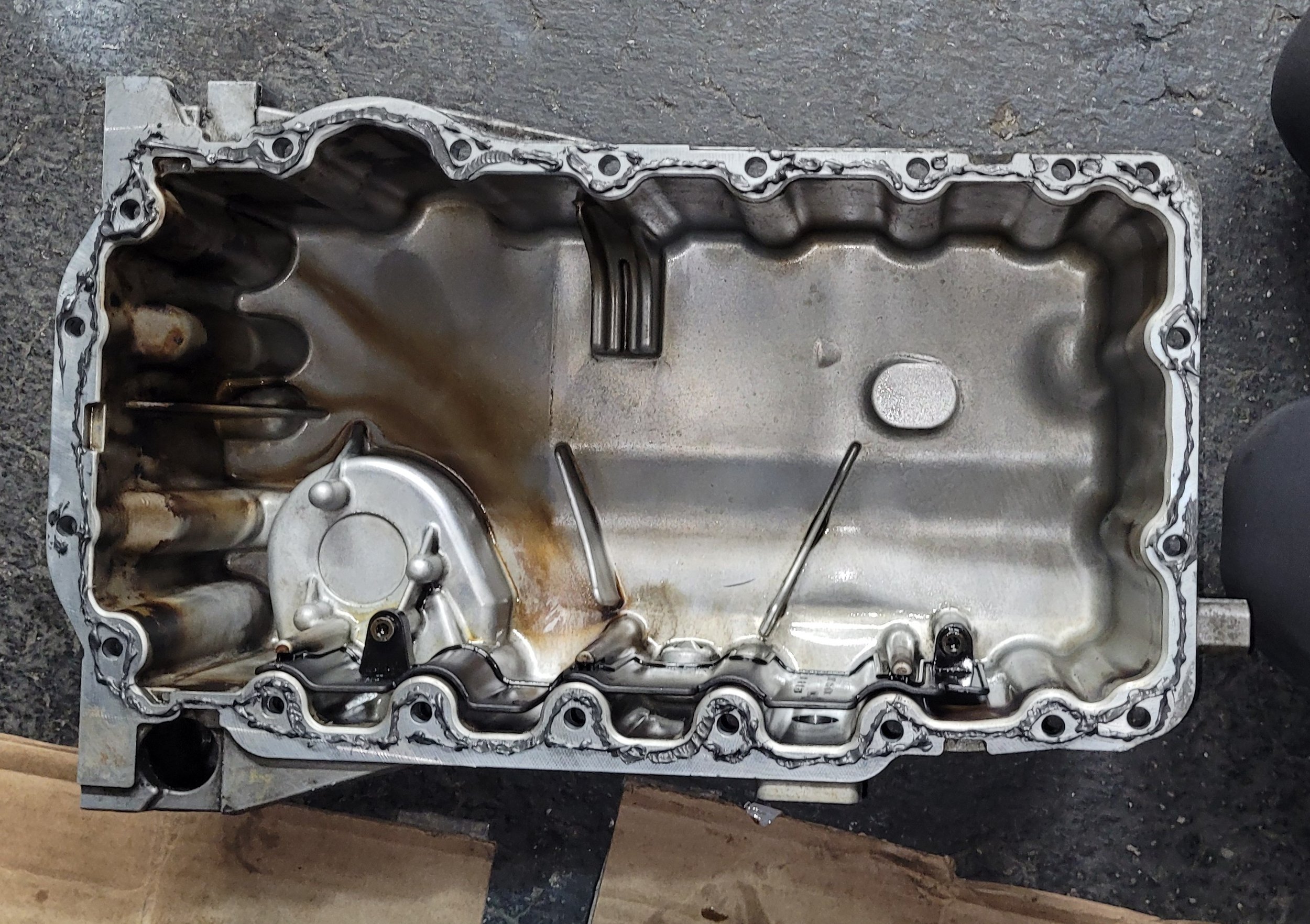
Disassembling the oil pan, crank gear, timing belt, and surrounding components is required to access the balance‑shaft sprocket so it made sense to refresh everything. I gave the oil pan a thorough cleaning and replaced the timing belt and water pump preemptively.
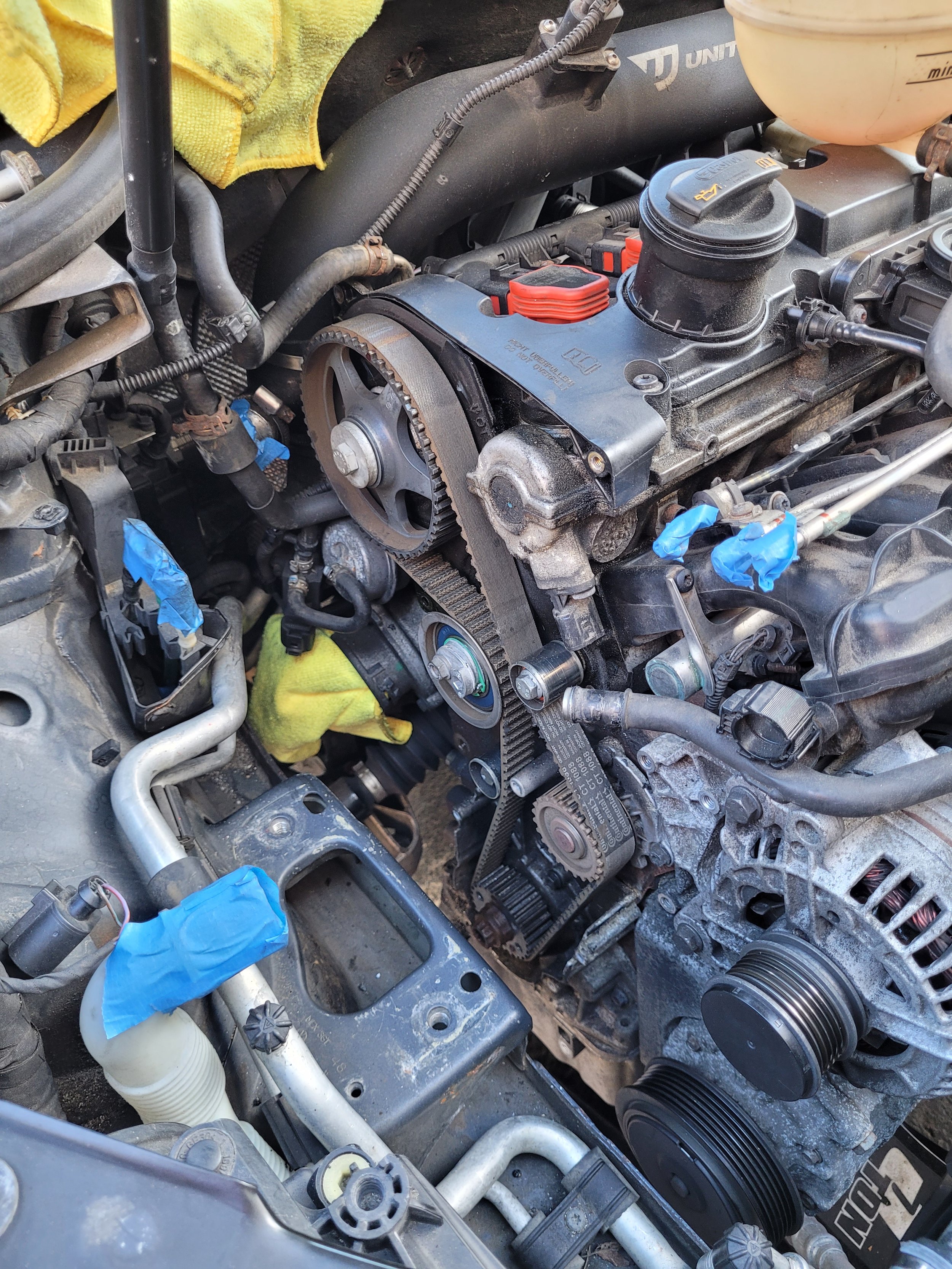
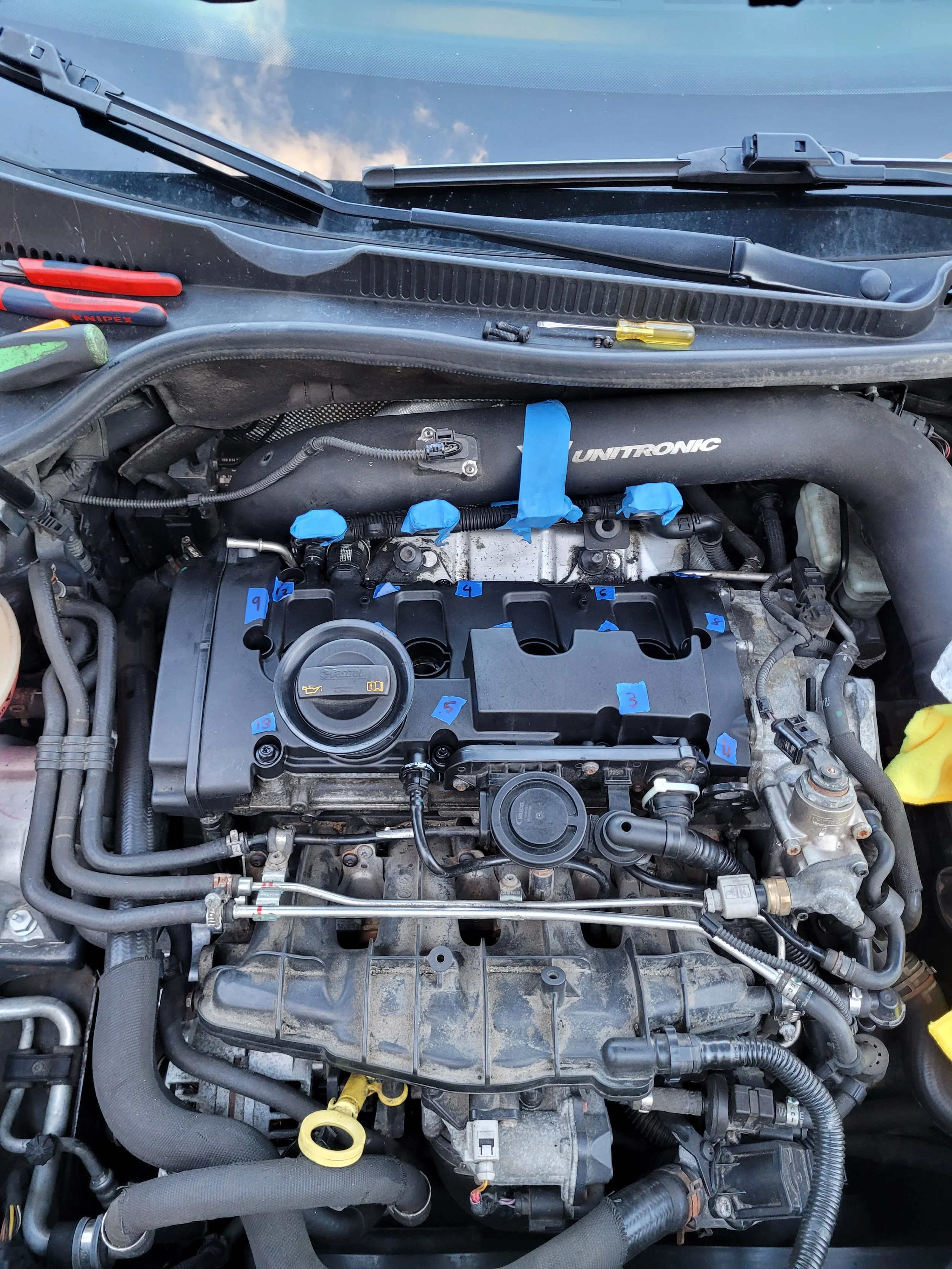
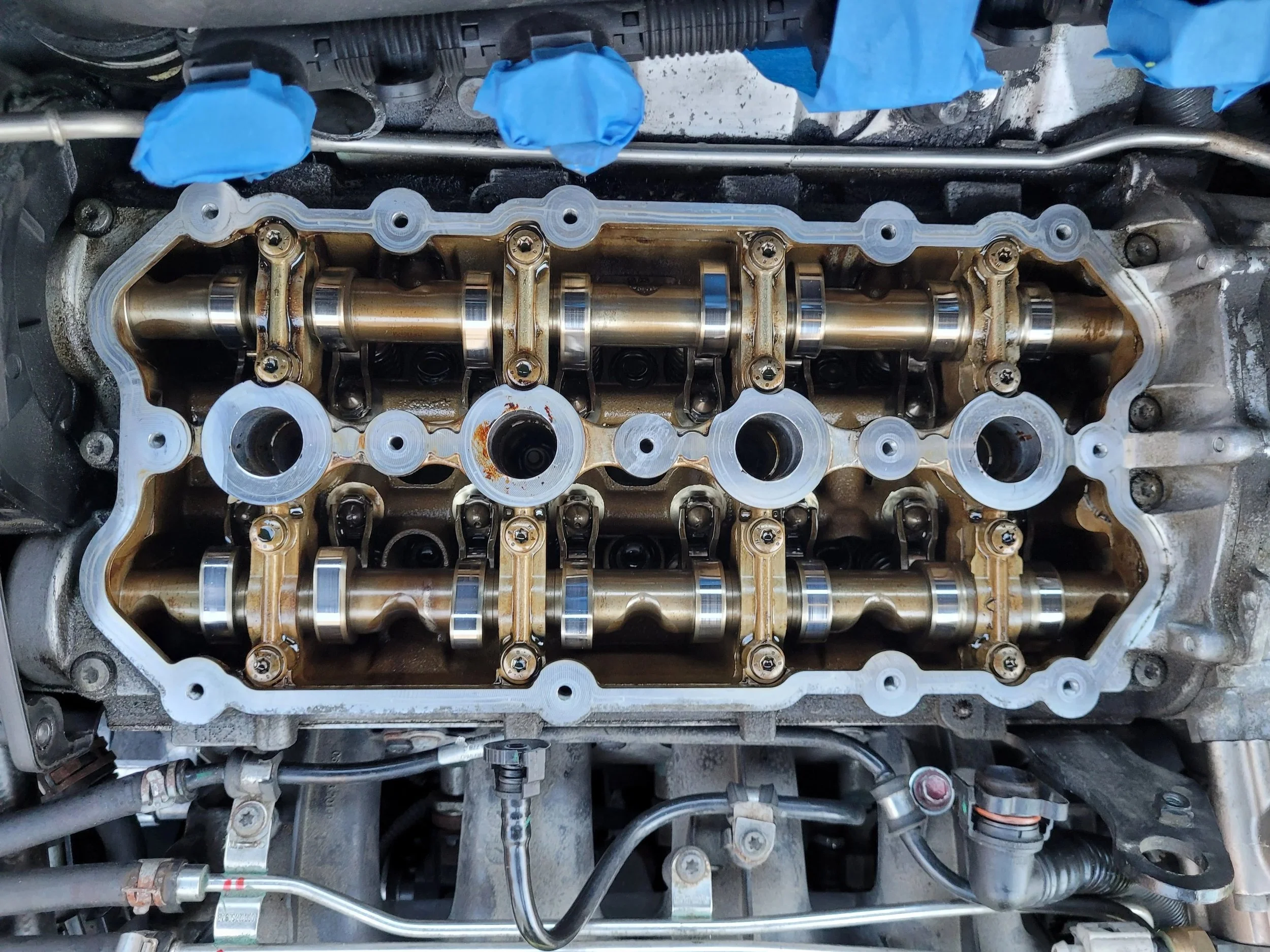
During a routine oil change and spark‑plug replacement, I noticed oil pooled in one of the plug bores. I cleaned and removed the plug to see the electrode showed no signs of burning oil, which pointed instead to a failing valve‑cover seal. After pulling the cover, I inspected the camshafts and sealing surfaces, documenting everything with photos for my records. Reinstalling the new valve cover required a specific torque sequence, so I marked the order of operations to ensure a precise and consistent installation.
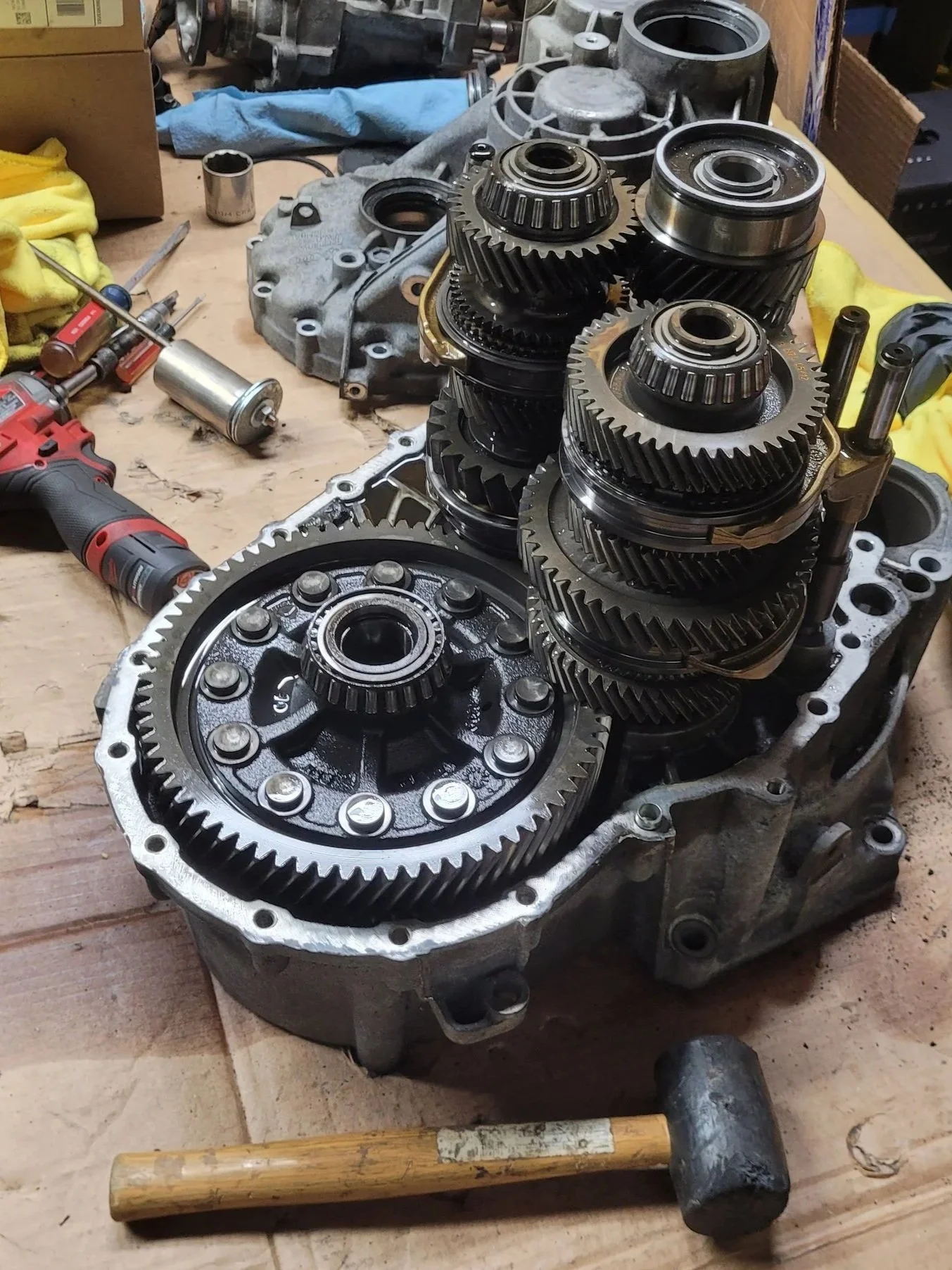
Up next is a full transmission rebuild. During my last fluid change, the oil had a noticeable metallic shimmer, sent a sample to Blackstone Labs for analysis. Their report didn’t flag anything catastrophic, but they noted that their testing only captures a limited range of particle sizes. Meanwhile, the car has become increasingly unhappy shifting into first and second gear, a classic symptom of worn brass shift forks on this generation.
The Golf R uses a unique transmission not shared with other Golfs, which makes sourcing a donor both expensive and unreliable. Rebuilding my own gearbox will give me confidence in its condition that a junkyard replacement simply can’t offer.