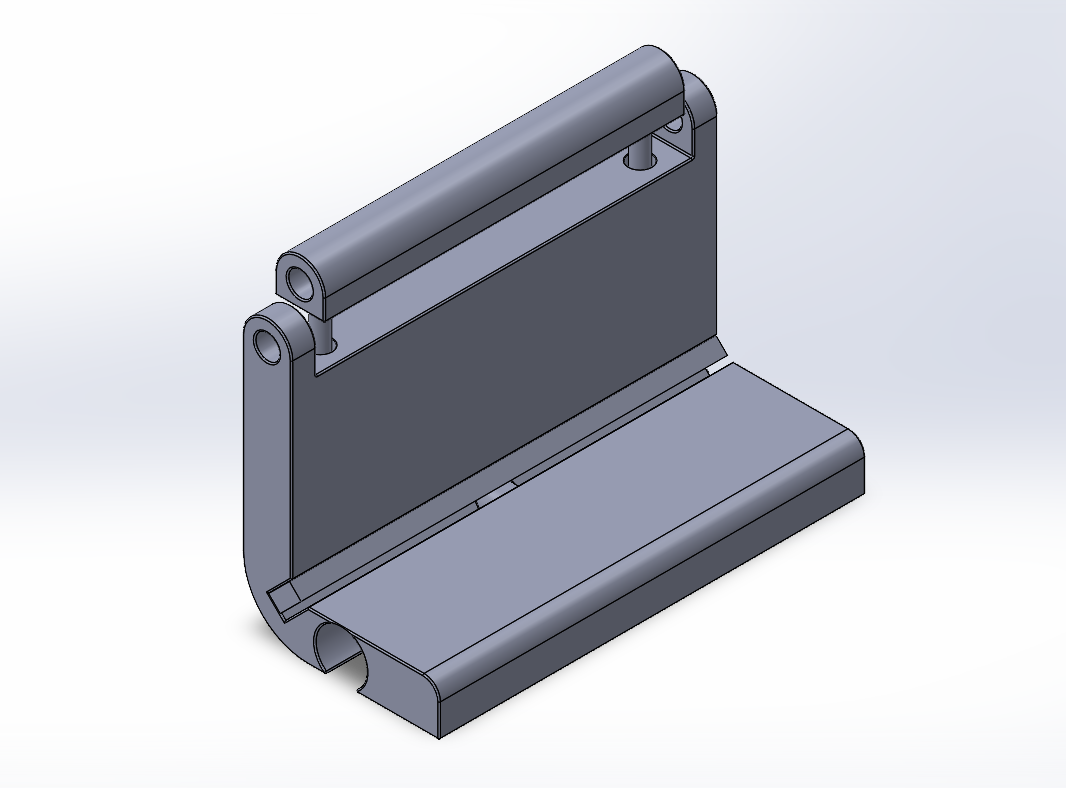
Skin Sander
Identifying the Problem
I picked up rock climbing a little over a year ago, and as my time at the gym increased, so did the wear on my hands. Small fissures began to form, cracks that healed unevenly and left behind rough, built-up skin. Quite uncomfortable and often interfere with climbing itself.
Within the climbing community, sanding these areas down is standard practice. Like many beginners, I started with a nail file, but it proved awkward and ineffective. The short comings were highlights when trying to reach the tight creases between fingers and around joints. I later switched to a foam sanding block, which conformed much better to the contours of my hands working far more efficiently.
Still, it felt wasteful: a bulky piece of foam designed for limited use, discarded long before its full potential was realized. That experience made something clear, there’s an opportunity for a more precise, ergonomic, and sustainable alternative.
Generating Solutions
The brainstorming began with reviewing the positive aspects of the products I’ve used and reflecting on potential alternatives.
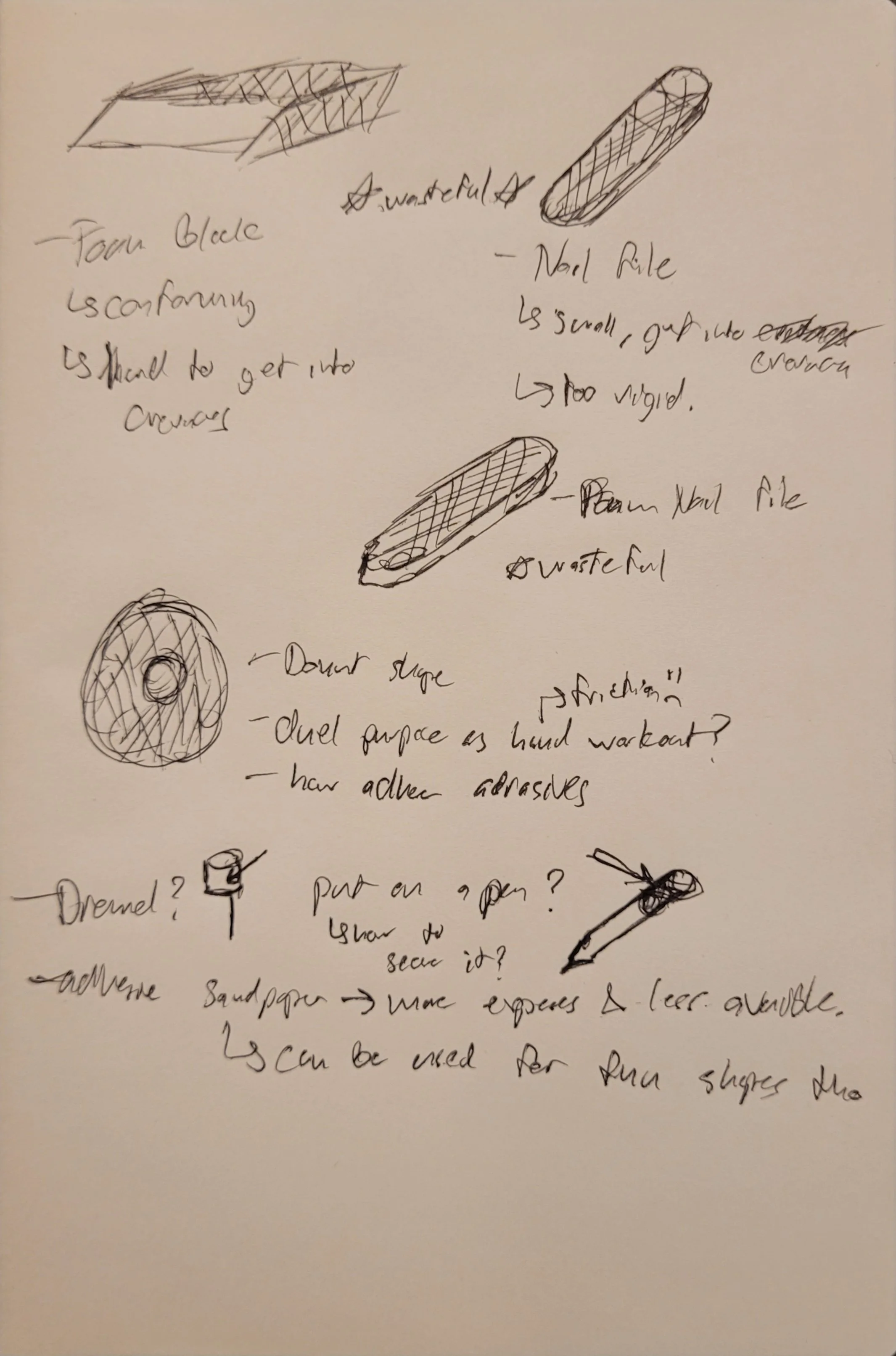
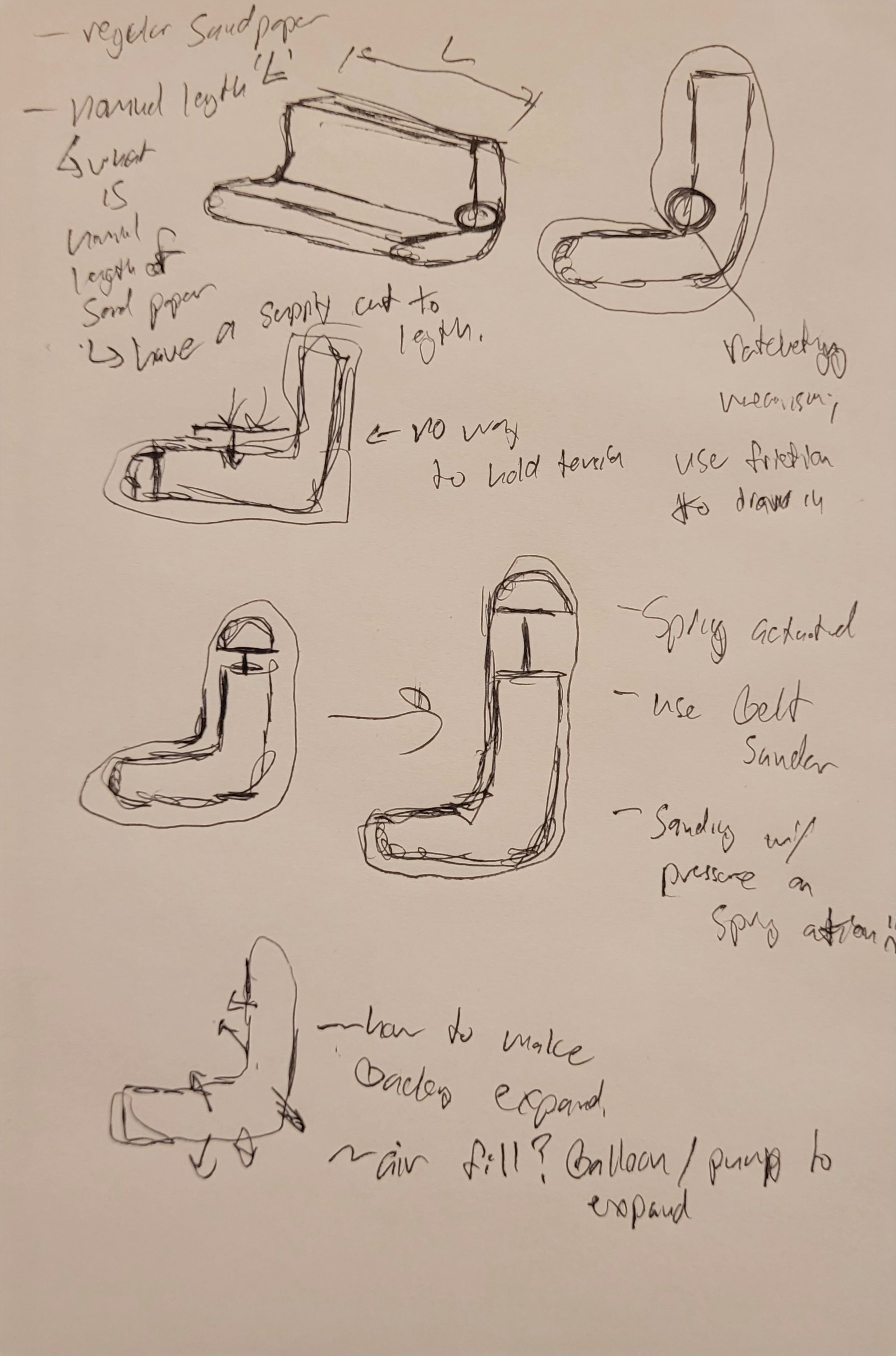
Once I landed on a form factor that offered the right mix of surfaces and edges for tackling the small, intricate contours of the hand, I turned my focus to the mechanism that would securely tension a piece of replaceable sandpaper while keeping the design simple and efficient.
At this point, I paused to revisit the original intent. A skin sander designed to reduce waste would only make a real impact if it became widely adopted. That realization pushed me to seek feedback on the direction I was taking. I brought a simple prototype to my local gym and invited others to share their thoughts.
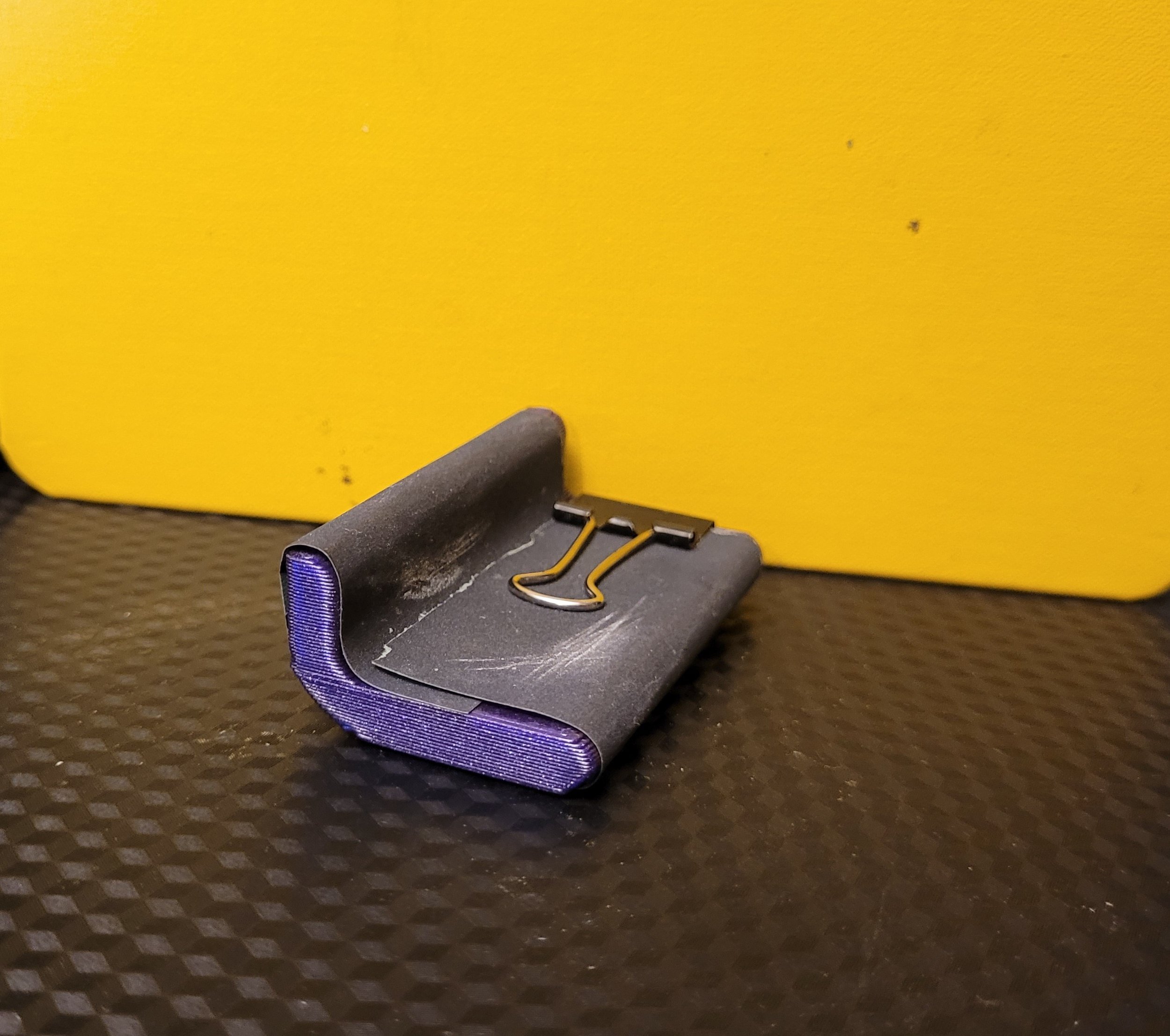
Reviews on the shape were overall positive. Suggestions surrounded the proportions of the length to width.
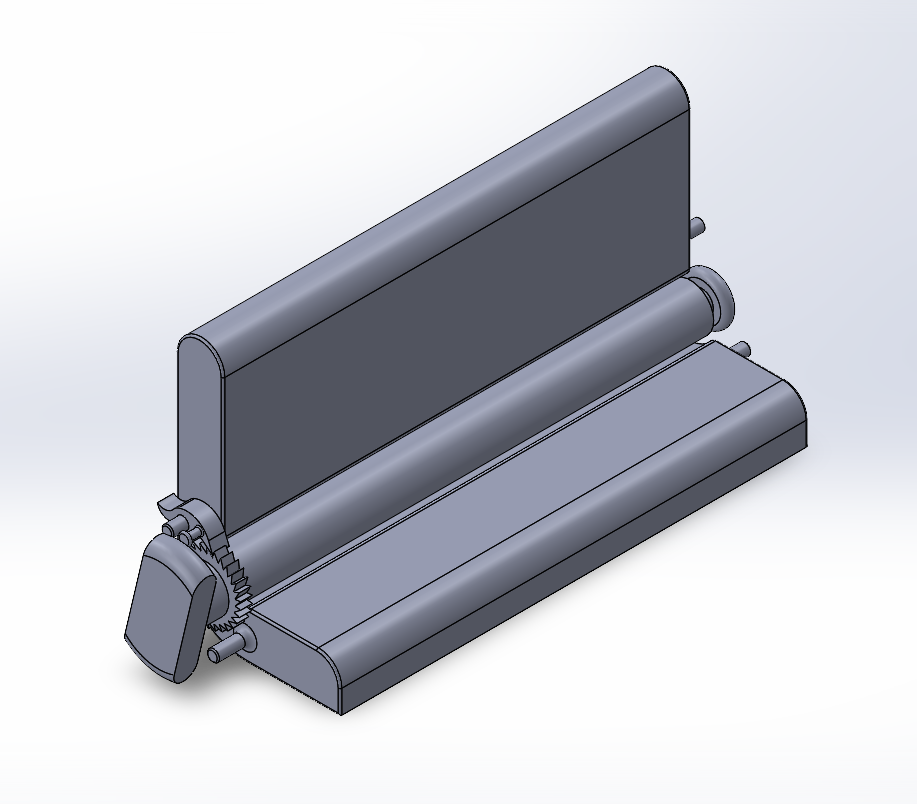
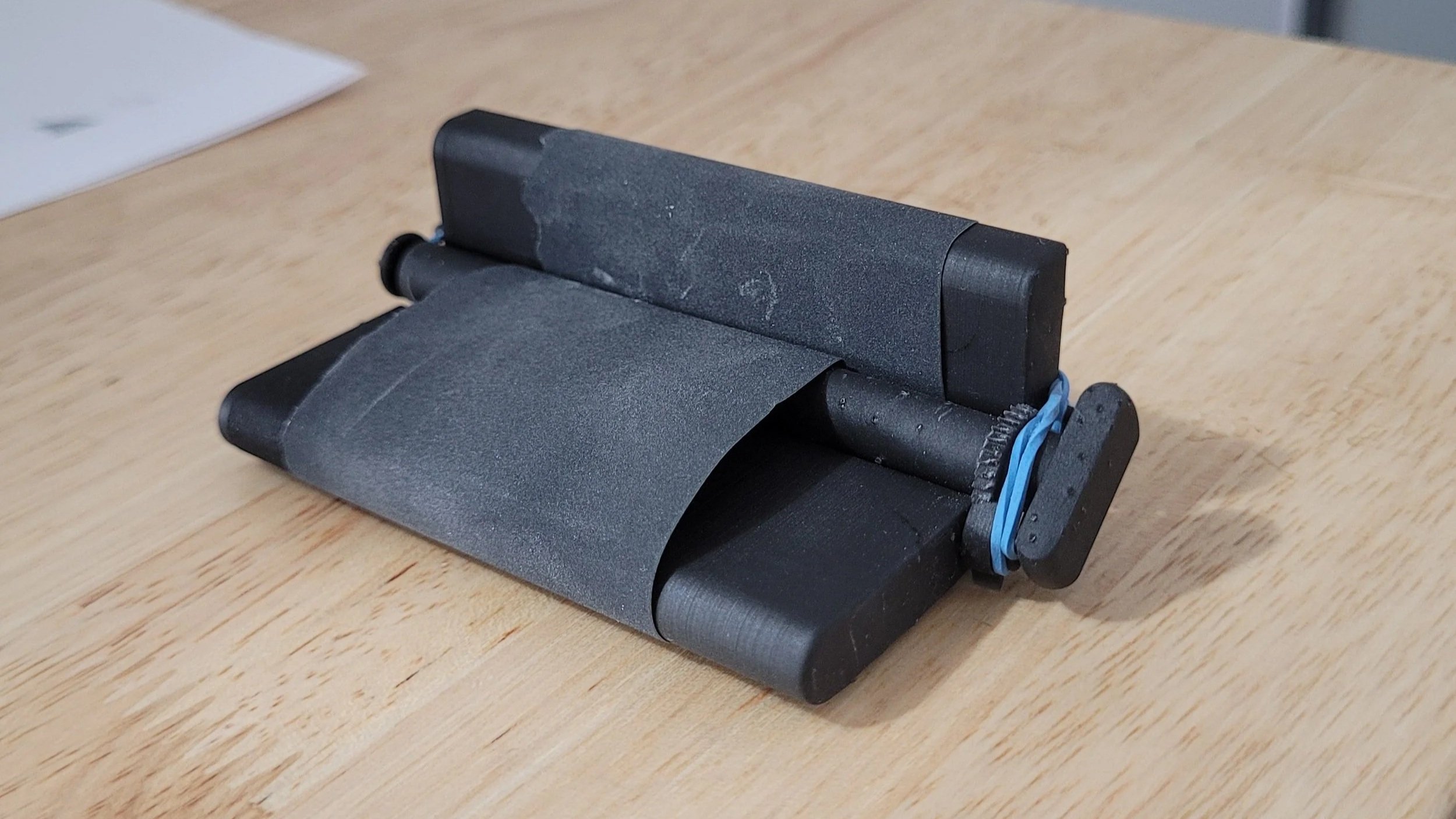
One concept used a ratcheting mechanism to tension the sandpaper as it wrapped onto itself. In theory, rotating the ratchet would pull the sandpaper tight through friction alone. In practice, the bar simply spun on top of the sandpaper without drawing it in. For the redesign, I’m planning to split the rolling bar into two pieces joined by the ratcheting gear, allowing the sandpaper to be fed into a slot during assembly before the entire unit is placed into the body and tightened.
Another concept I explored was a push‑push mechanism that used spring tension to extend the sandpaper. In practice, it never deployed reliably, the metal wire couldn’t survive the required bend radius and plastically deformed, leaving the mechanism stuck in the lower position or jumping off its track. The spring tension itself was promising, especially as a way to warm up one’s hands before climbing.
In the redesign, I plan to incorporate a simple latch to secure the lower position. Since the product only needs to be compressed occasionally, the convenience of a push‑push mechanism isn’t worth the complexity or reliability issues.
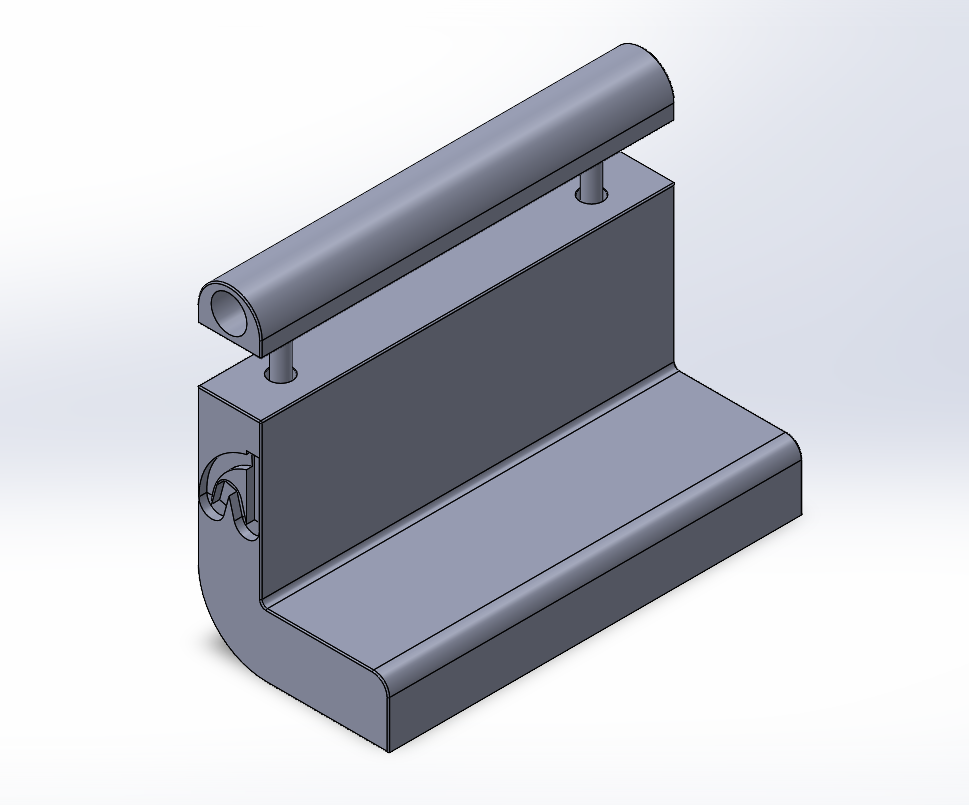
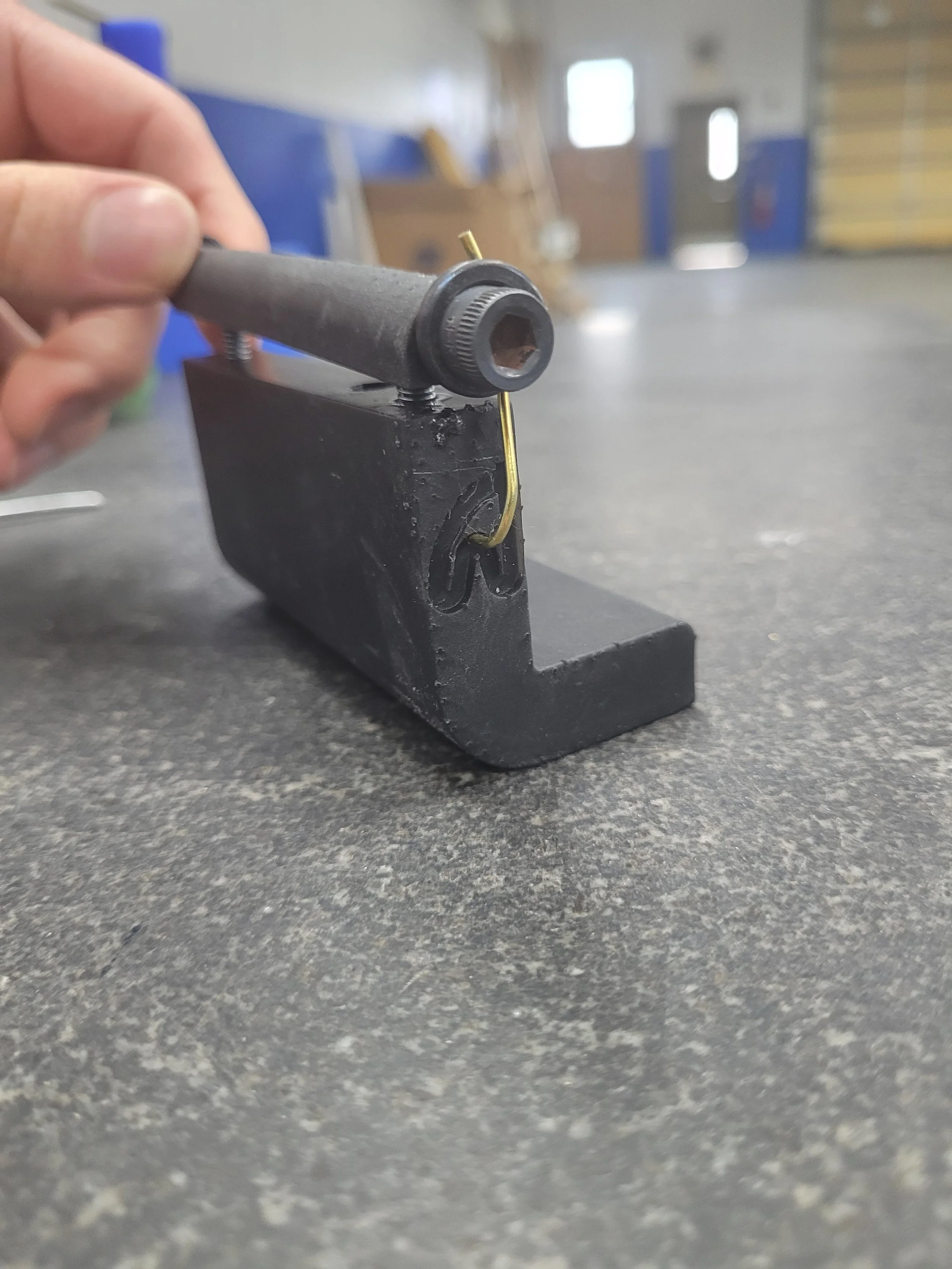
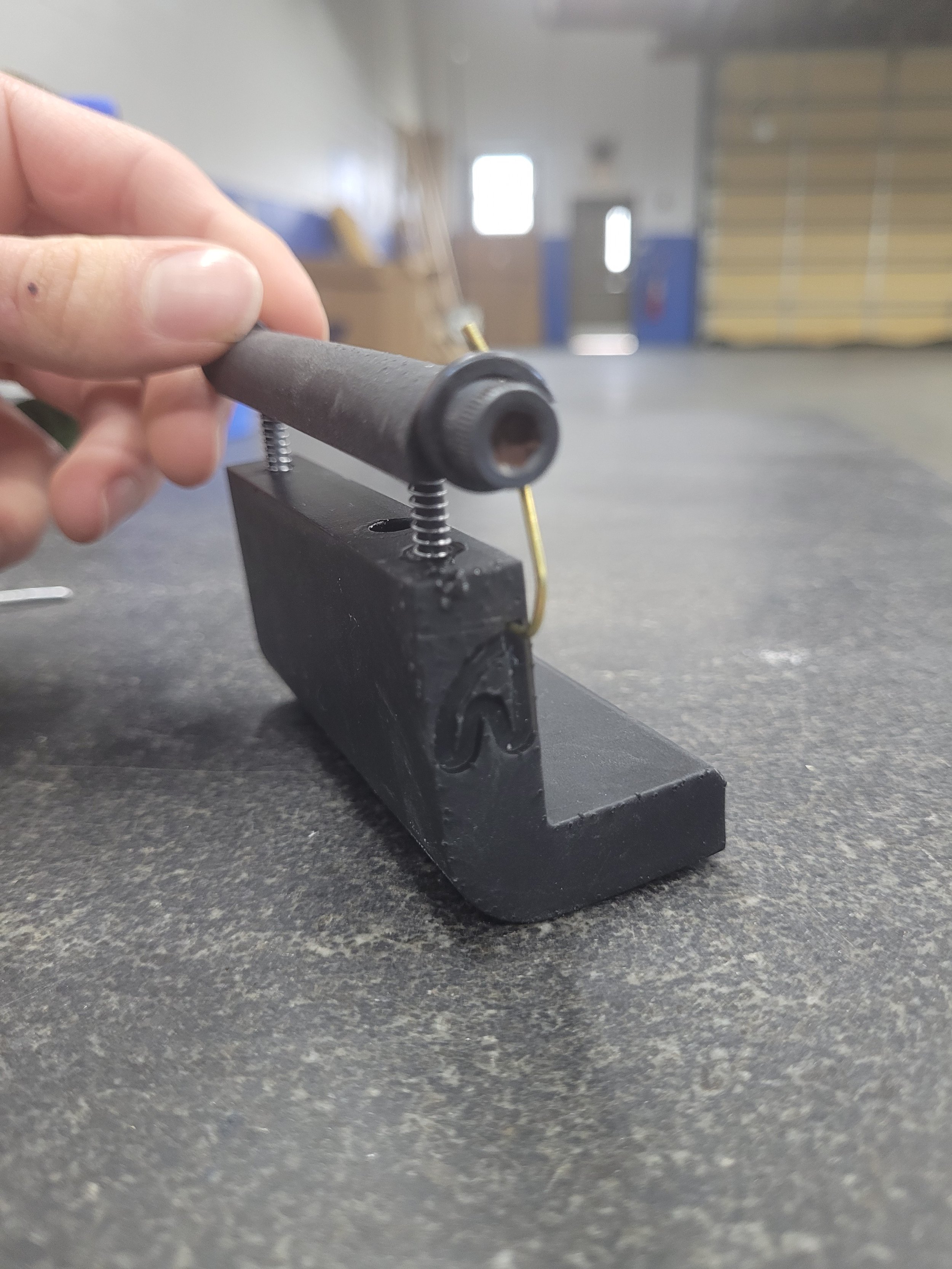
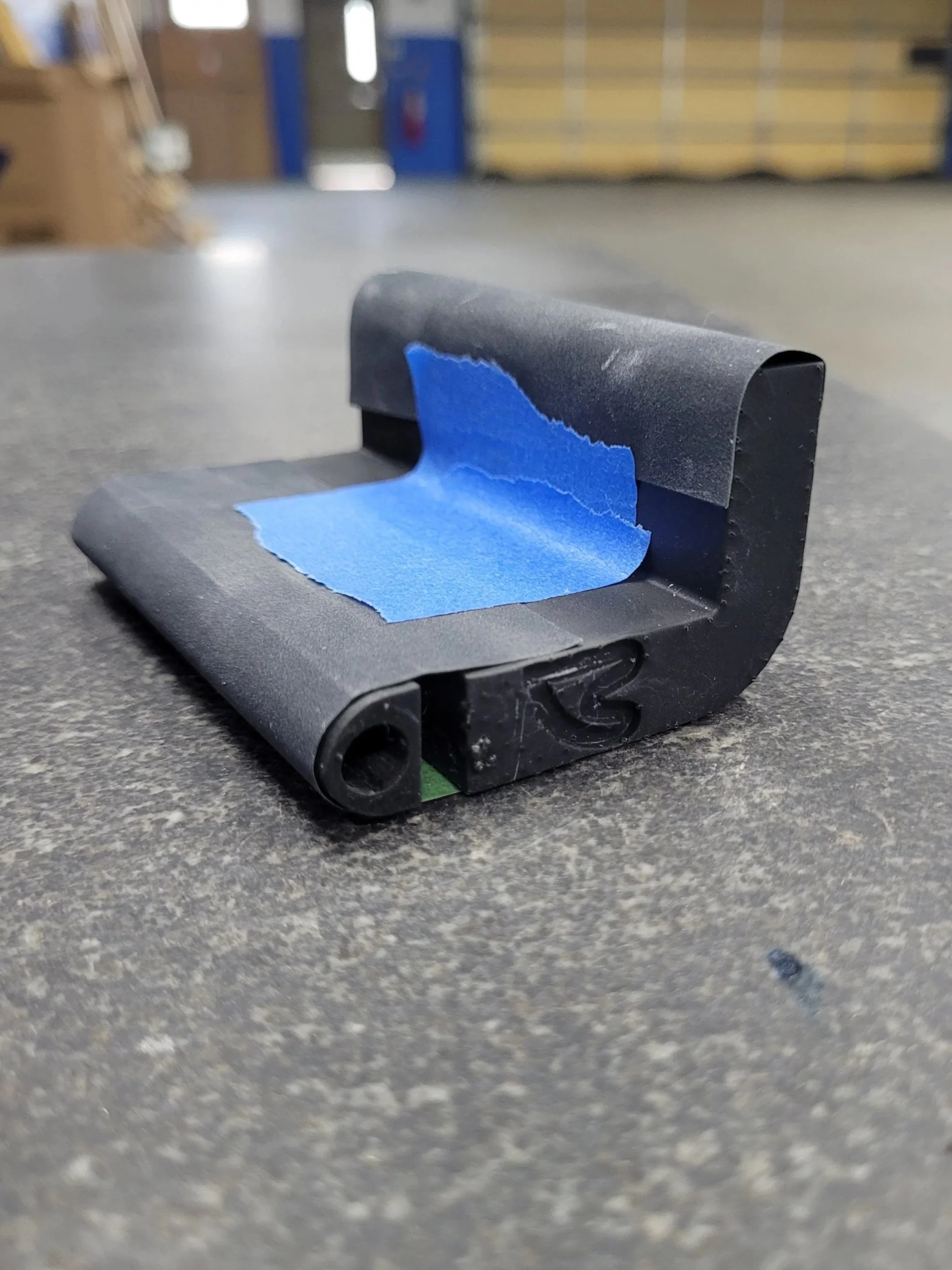
Repurposing the spring-tensioning mechanism, this redesign preserves the feel of the previous version while introducing a clamping system to secure the sandpaper. The clamping bar is compressed by tightening a side-mounted screw, providing a firm and reliable hold. The product is approaching another round of real-world testing; however, refining the clamping mechanism to deliver a more satisfying, tactile user experience remains a priority.